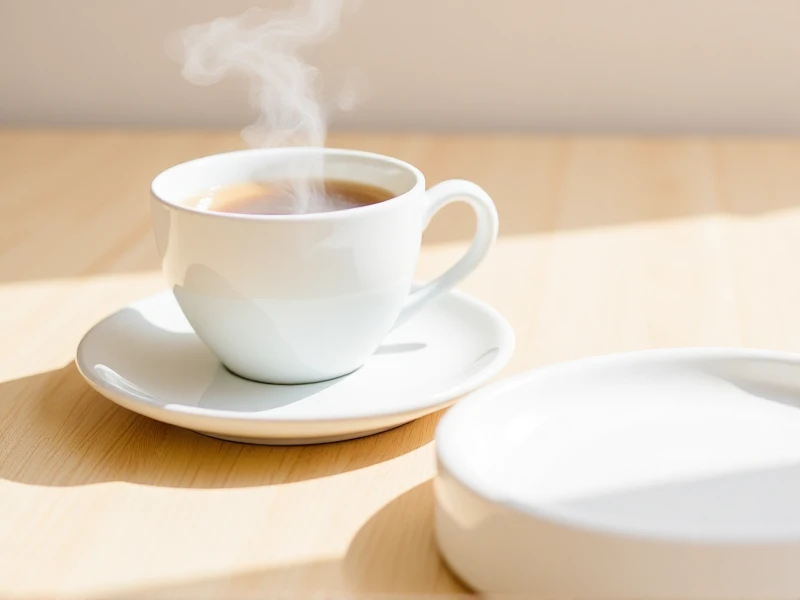
Your Ultimate Guide to Cups: Types, Uses, and Choosing the Perfect One
Cups are a familiar part of everyday life, adding comfort and convenience to our routines. Whether you're sipping morning coffee, enjoying afternoon tea, or hydrating during a workout, a good cup makes all the difference. This guide covers everything you need to know about cups, from the various types to practical tips for selecting one that suits your lifestyle. By understanding these essentials, you can elevate your drinking experience while making sustainable choices.
Cups come in many styles, each suited to different needs. For everyday use at home, ceramic cups are popular; they hold heat well and work for everything from hot chocolate to fresh juice. Glass cups give a stylish look for cold beverages and entertaining, like cocktails or fruit-infused water. On-the-go? Travel cups, often made from stainless steel or bamboo fiber, are insulated and ideal for commuting. They keep drinks hot or cold for hours, making them a favorite for busy professionals. If you're outdoorsy, durable plastic or metal cups are great—they resist breaking and are eco-friendly with reusable options. Considering how often you use a cup helps narrow it: a work desk might call for a sleek, spill-proof version, while a cozy reading nook could use a chunky mug.
Choosing the perfect cup involves balancing personal preference with practicality. Start by considering size: a large 12-ounce cup is better for coffee lovers who prefer multiple refills, while a smaller 8-ounce one works for espresso or tea. Material matters too: ceramic handles heat well but can chip; glass looks sharp but may break with sudden temperature changes. For durability, opt for insulated stainless steel. It retains temperature longer and is unbreakable, perfect for kids or adventurous trips. Also, check features like spill-proof lids or ergonomic handles, which add convenience. Look out for certifications like BPA-free to ensure safety and easy cleaning—dishwasher-safe cups save time in busy households. If sustainability is key, choose reusable over disposable; it reduces waste and costs less over time. And don't forget aesthetics: colors, patterns, or personalization turn a simple cup into a joyful part of your day.
Maintaining your cup extends its life and keeps it hygienic. Clean regular cups after each use to prevent stains or odors, using mild soap and water. For stubborn coffee residues, a baking soda paste works wonders; rinse thoroughly. Avoid extreme changes: never pour hot liquid into a cold glass cup to prevent cracking. Store them in accessible spots to encourage reuse, reducing single-use plastics. Ultimately, owning a quality cup boosts daily hydration and moments of relaxation. By exploring options, you'll find one that fits your routine. Share your cup journey here for more tips and ideas!
418